



Home / Blogs / Art Tech

Where Science Meets the Canvas - How We Built a Web Platform for Art Analysis.

Art analysis and authentication have traditionally relied on complex tools and specialized expertise, making the process difficult to scale. This platform brings scientific analysis into a modern, web-based environment—making it more accessible, efficient, and data-driven for professionals.
Where Science Meets the Canvas - How We Built a Web Platform for Art Analysis.

Introduction

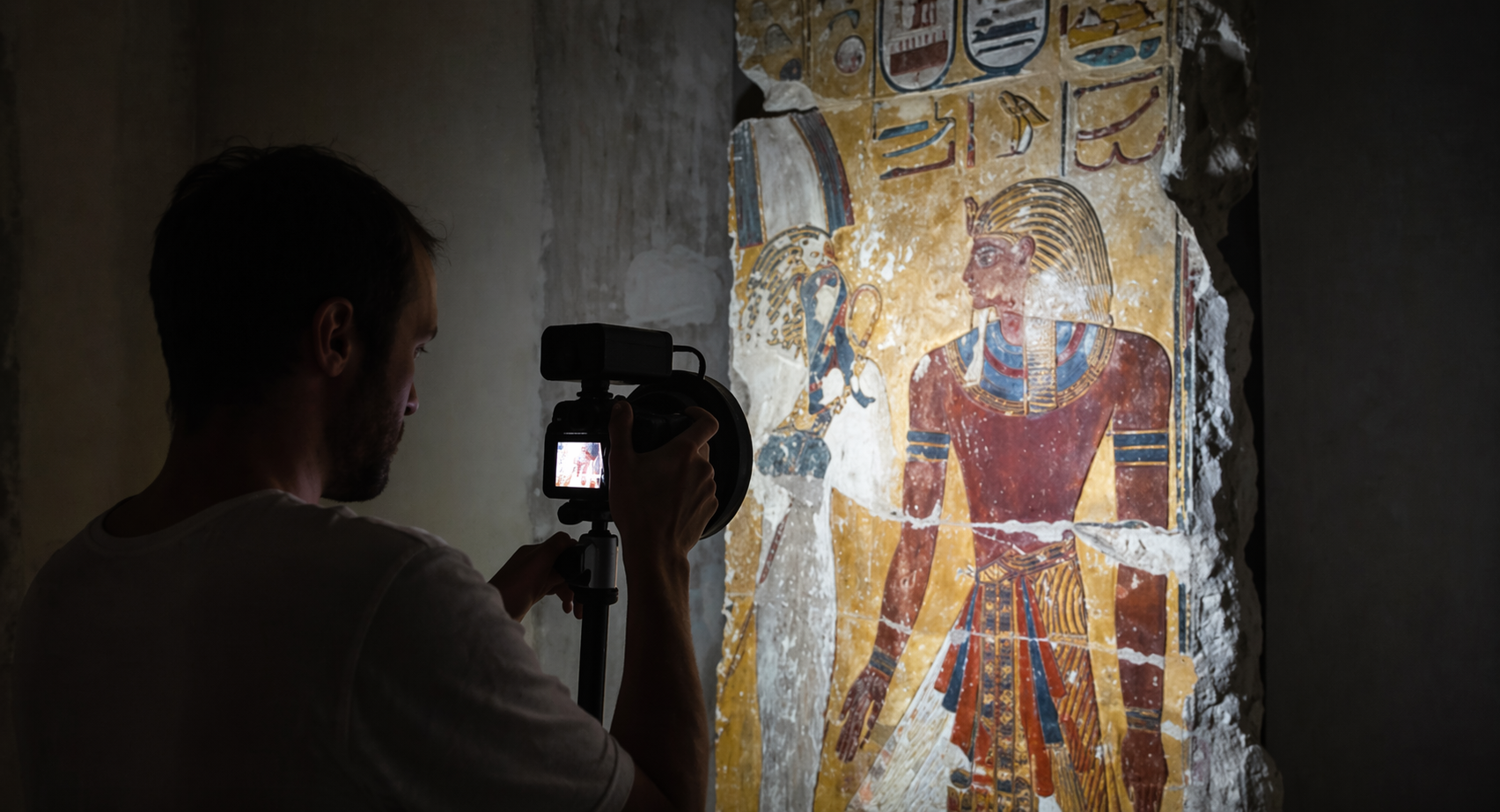
There's a particular kind of project that changes how a team thinks — not just about technology, but about an entire field. This was one of them. Our client works at the intersection of art and science. Their mission: give art professionals daily access to scientific diagnosis on artworks — uncovering hidden layers, pigment composition, underdrawings, and signs of restoration or forgery that the naked eye simply cannot see. They already had a powerful desktop tool. What they needed was the web. We were brought in to build it.

The Challenge Wasn't Just Technical

Before we could write a single line of code, we had to learn a new language — not a programming language, but the language of art examination. Terms like multispectral imaging, spectral reflectance, pigment mapping, and underdrawing analysis became part of our daily vocabulary. The domain is deeply specialized, and building the right product meant understanding it deeply first.

Technical Complexity at Every Layer

The application needed to handle RAW image files from digital cameras — large, uncompressed scientific images — and let users run sophisticated real-time analysis directly in the browser. Features included: - Zoom and drag with high precision - Dual-mode and overlay comparison - False color and pseudo color rendering - Pigment detection and underdrawing visualization All of it had to run live, remain performant, and deliver accurate results. The technical stack included: - Canvas API - WebAssembly - Web Workers - Machine learning integrations - Stripe payments - AWS cloud infrastructure All delivered under tight MVP timelines.

Our Most Important Decision: Go Hardest First

In complex projects, there is always a temptation to start with easier features and delay the hardest parts. We chose the opposite approach. The analysis and comparison module was the core of the product — and also the most technically demanding. So we tackled it first: - Multi-mode image viewing - Synchronized zoom across comparison panes - Real-time spectral overlays - AI-powered image processing Delivering this module early built strong trust with the client and reduced risk for the rest of the project.

How We Worked

We followed a disciplined agile process throughout the engagement. - Joint specification sessions to define requirements - Sprint planning with realistic estimation - Retrospectives focused on continuous improvement One key habit: we never waited idly. While awaiting feedback or approvals, we moved forward on known tasks to maintain momentum. We also stayed in close communication with the client, asking questions early whenever requirements were unclear.

What We Delivered

The final platform provides art professionals with a full scientific analysis toolkit directly in the browser. Key features include: - Multispectral analysis modes (spectral, pigment, underdrawing, false color, pseudo color) - Multi-mode image comparison (single, double, overlay, overlap) - Synchronized zoom and drag across views - Workspace organization (painting, study, project) - PDF diagnostic report export - Stripe-based subscription system All powered by a scalable AWS infrastructure using Terraform.

What This Project Taught Us

Complex domains reward curiosity. The best results come from teams willing to deeply understand the domain, not just apply technical skills. Key lessons: - Early risk reduces overall risk - Confidence comes from delivering, not planning - Trust is built through consistent, working results Strong delivery — sprint after sprint — is what defines successful partnerships. Interested in building something complex? Let's talk.
Share
Copied!

Related Cases